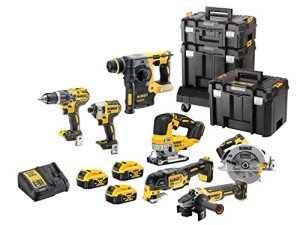
Looking For Inspiration? Try Looking Up Tool Packs
The Ultimate Guide to Tool Packs: Organizing Your Workspace
In any field— be it building and construction, woodworking, automotive repair, and even craft pastimes— being organized is paramount. Enter tool packs: an option developed to assist specialists and DIY lovers alike keep their tools in check. This guide looks into the kinds of tool packs readily available, their benefits, what to think about when acquiring one, and how to maximize their usage.
What is a Tool Pack?
A tool pack is basically a carrying case or storage system created specifically for arranging tools and accessories. Tool Kit Builder can range from basic toolboxes to complex, modular systems that offer specialized storage solutions. Each type has its unique attributes customized to different requirements, environments, and tool kinds.
Kinds Of Tool Packs
Tool packs can be classified broadly into the following categories:
Type
Description
Best For
Toolboxes
Hard-shelled containers with compartments.
General usage, home tools.
Tool Bags
Soft-sided, light-weight bags that often consist of pockets.
Easy transport, light tools.
Tool Belts
Used around the waist, featuring pockets and holders.
Immediate access to tools.
Tote Bags
Open-top containers developed for bring numerous tools.
Do it yourself projects and organizing small items.
Tool Chests
Large storage systems with numerous drawers.
Expert usage, lots of tools.
Rolling Carts
Mobile storage solutions with wheels, often expandable.
On-site work or regular transport.
Modular Systems
Versatile, interlocking units that can be customized.
Adjustable storage for various tools.
Advantages of Using Tool Packs
Tool packs offer various benefits to those who deal with tools routinely. Here are a few of the main advantages:
- Organization: Each tool has its designated place, making it simpler to discover what you need rapidly.
- Mobility: Tool packs enable smooth transportation of tools from one location to another, reducing loss or damage.
- Security: Many tool packs deal defense against environmental factors, lowering wear and tear on your tools.
- Effectiveness: An organized work space boosts performance by reducing the time invested looking for tools.
- Ease of access: Tool packs provide instant access to needed tools, reducing downtime throughout projects.
- Safety: An organized workspace minimizes the danger of accidents triggered by lost tools.
Factors to Consider When Buying a Tool Pack
When selecting the very best tool pack for your needs, it's necessary to consider the list below aspects:
Factor
Description
Size
Ensure the tool pack can accommodate your present and future tools.
Material
Look for durable products like durable plastic, metal, or water-resistant nylon.
Compartments
Choose a pack with compartments tailored to your tool types (little, large, specialized).
Weight
Think about a lightweight option if you often transfer tools.
Availability
Select a design that permits easy access to your tools.
Price
Set a budget plan that lines up with your needs and the quality of the tool pack.
Brand Reputation
Consider renowned brand names understood for quality and resilience.
Popular Tool Pack Brands
Here are some well-regarded brand names in the tool pack market:
- DeWalt
- Milwaukee
- Bosch
- Stanley
- Klein Tools
- Craftsman
How to Maximize Your Tool Pack
To get the most out of your tool pack, think about the following ideas:
- Regularly Assess Your Tools: Periodically check your tools to see what requires replacing or repairing.
- Clean Your Pack: A clean tool pack decreases wear and tear and keeps your tools in ideal condition.
- Use Labels: If your pack has various compartments, think about labeling them for simpler gain access to.
- Keep It Light: Don't overload your tool pack; just carry the tools you really need for each job.
- Store Strategically: When positioning tools back into their compartments, save them according to size and frequency of use.
- Tailor: Look for modification services to optimize your tool pack design based upon the kind of work you do.
Frequently asked question Section
Q: What is the best material for a tool pack?A: The ideal material is resilient and weather-resistant. Sturdy nylon or polypropylene is recommended for their strength and longevity. Q: Can tool packs be used for non-hardware tools?A: Yes! Tool packs are versatile and can keep any products
that benefit from organization, such as craft materials, medical kits, or electronic tools. Q: How do I understand what size tool pack to buy?A: Assess your current tool collection and think about any future needs, ensuring that the pack
you pick has adequate area to accommodate them. Q: Are there tool packs created for specific professions?A: Yes, lots of tool packs accommodate particular occupations, such as electrical experts, plumbing professionals, or carpenters, featuring compartments fit for their tools and devices. Q: How can I make sure the security of tools stored in a pack?A: Use a well-structured tool pack with padded compartments and make sure correct organization to lessen
shifting during transportation, which can cause damage. Tool packs
are vital for anyone who deals with tools, using company, mobility, and protection. By comprehending the numerous kinds of tool packs readily available, their advantages, crucial purchasing considerations, and suggestions on optimizing use, both experts and DIY enthusiasts can substantially enhance their work performance. Purchasing the right tool pack can make a world of difference, allowing you to focus on what matters most— finishing the job right!